
Psychiatric Evaluation
A thorough first appointment (30–60 minutes) reviewing your history, current symptoms, lifestyle, and goals. You leave with clarity, a working diagnosis when appropriate, and a plan you understand.
Comprehensive psychiatric care for children (5+), teens, and adults — focused, evidence-based, and centered on what actually helps you live well.
Every appointment combines clinical expertise with the time and respect a real conversation requires.
A thorough first appointment (30–60 minutes) reviewing your history, current symptoms, lifestyle, and goals. You leave with clarity, a working diagnosis when appropriate, and a plan you understand.
Thoughtful prescribing and ongoing follow-up to find the right medication, dose, and combination — with clear education about benefits, side effects, and alternatives.
Brief, focused therapy integrated into appointments — practical strategies for stress, sleep, motivation, and the day-to-day work of feeling better.
Regular check-ins to track progress, adjust treatment, and make sure your plan still fits your life as it changes.
Coordination with your primary care provider, therapist, or other clinicians — because mental health does not exist in isolation from the rest of your healthcare.
Secure, HIPAA-compliant video appointments available to anyone located in Texas at the time of the visit.
The pieces beneath the diagnosis codes — the ones that actually shape how care feels.
Care is sharpest when the clinician understands the world you live in. These are the communities I know from the inside.
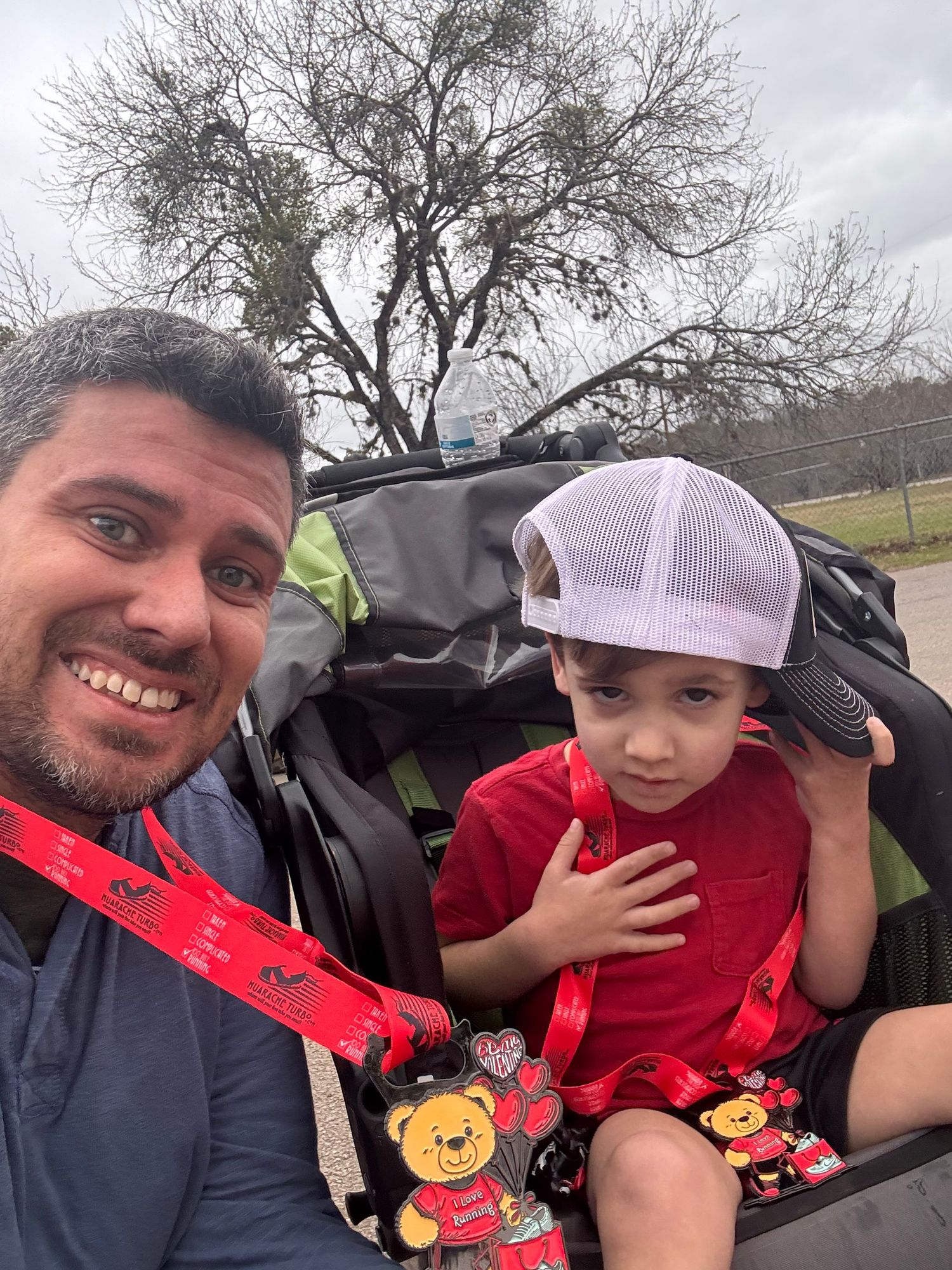
Care that respects how kids actually experience the world — and how families navigate it together. Calm, age-appropriate conversations and clear plans parents can follow.

EMS, fire, and law enforcement. I started my career in the back of an ambulance — I understand the culture, the hours, and the kind of stress that does not end at shift change.
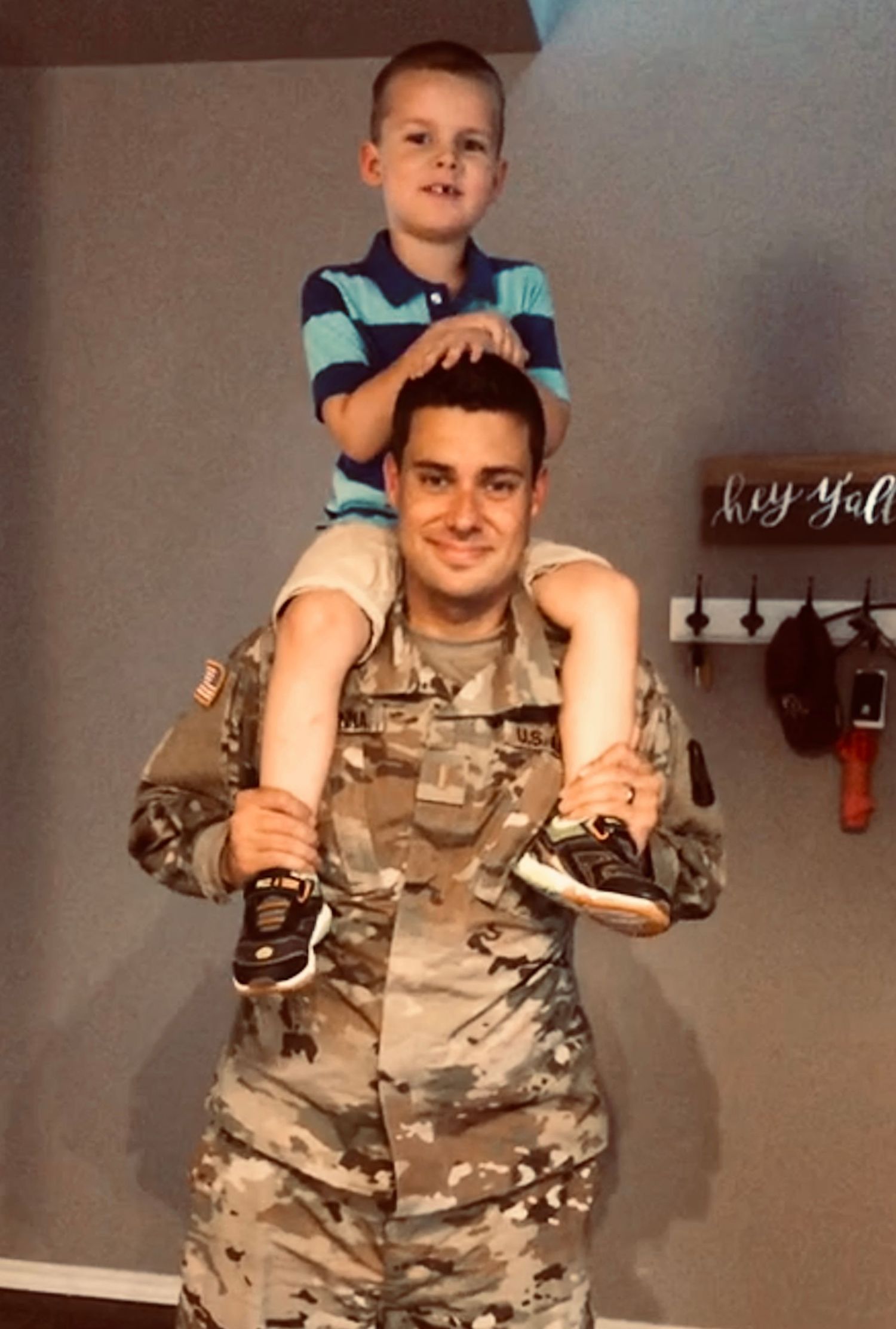
Active duty, reservists, veterans, and the families who carry deployment alongside them. Discreet, respectful care that fits military life.

Nurses, physicians, paramedics, and allied health — including military medics. I have stood where you stand: bedside, ICU, and field hospital.
Many people come in unsure of exactly what's wrong — they just know something isn't right. That's enough to start. Here's what we commonly treat across all ages.
Trouble focusing, impulsivity, or restlessness that gets in the way at school, work, or home — at any age.
Persistent worry, panic, or fear that feels impossible to shut off — even when you know there's nothing to fear.
Low mood, loss of motivation, or feeling disconnected from the people and things that used to matter.
Flashbacks, hypervigilance, or emotional numbness — especially common in veterans, first responders, and survivors.
Exhaustion that sleep doesn't fix. Common in healthcare workers, caregivers, and anyone who gives more than they get back.
Racing thoughts at night, waking exhausted, or sleep that never feels restful — often tied to anxiety or trauma.
Mood swings that swing between highs and lows — managed with the right medication and consistent support.
Major life changes — divorce, loss, deployment, a new diagnosis — that knock you off balance and keep you there.
When stress starts showing up as headaches, irritability, isolation, or physical symptoms that won't go away.
Honest practice means honest limits. This is a psychiatric medication-management practice with brief supportive therapy — not weekly psychotherapy, active substance-use treatment, or court-ordered evaluations.
If you are looking primarily for weekly talk therapy, treatment for active substance use, custody or disability evaluations, or inpatient-level care, I will gladly point you toward a trusted referral on our first call so no time is lost.